Sometimes, a tooth reaches the point where saving it means prolonging pain or compromising your oral health. And when that happens, removal isn't a setback. It's the best path forward.
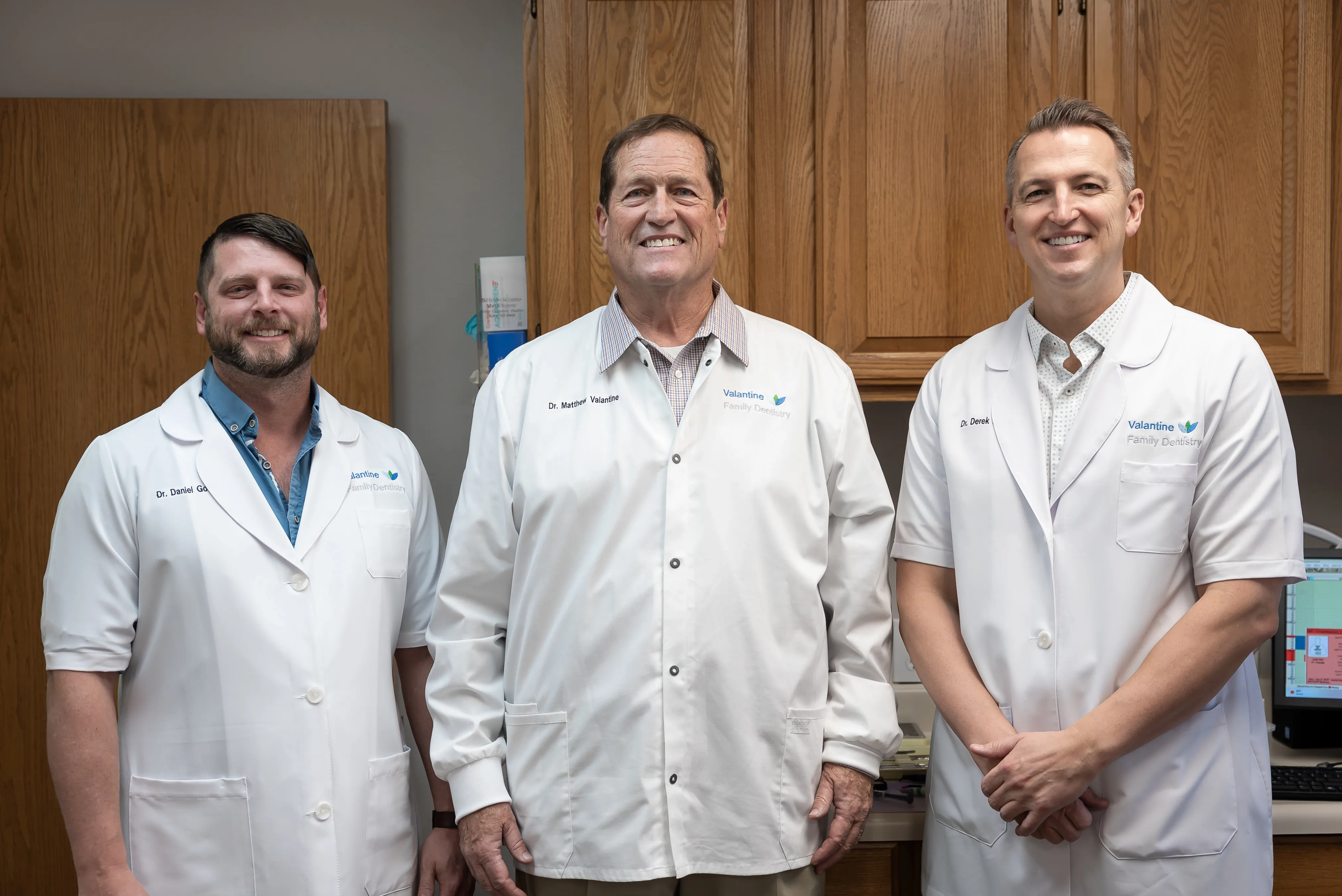
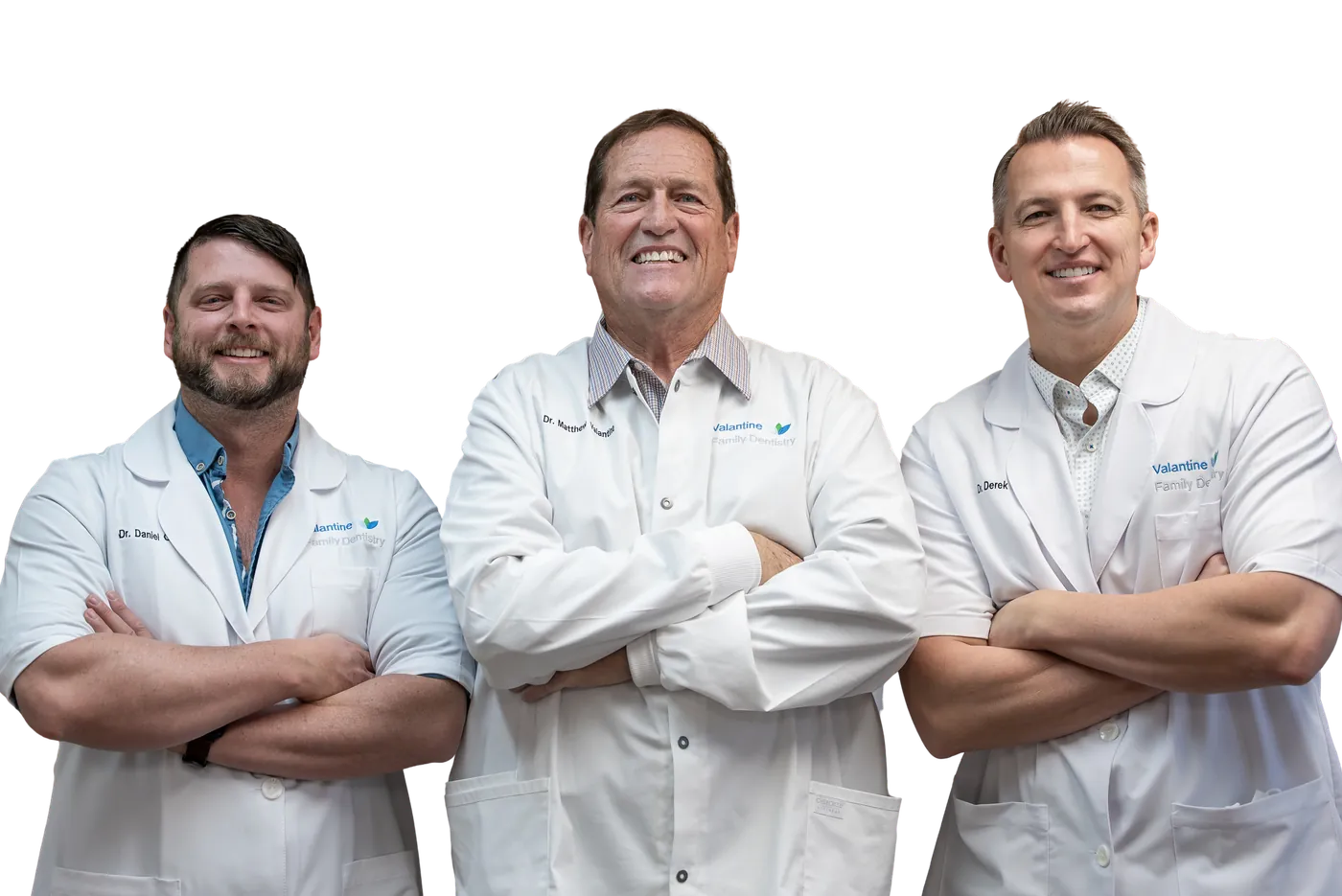
We don't recommend extraction lightly. Over the years, Dr. Valantine, Dr. Evans, Dr. Goold, and Dr. Zwahlen have seen what happens when a struggling tooth is kept too long, and the relief patients feel when the decision is finally made. Our first instinct is always to save what's there. But when we do recommend extraction, it's because the evidence points clearly in that direction.
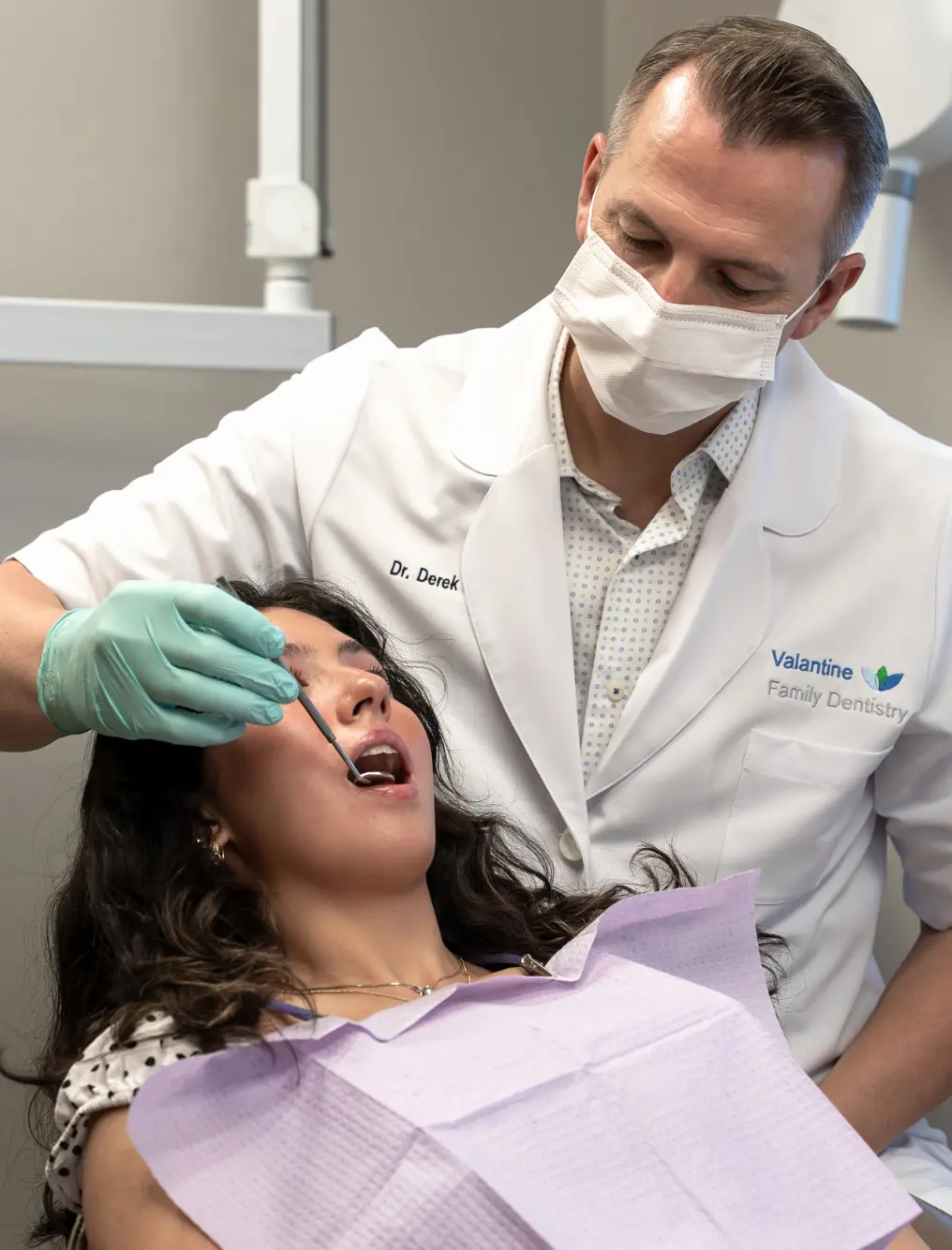
When you have a cavity that's progressed past the point where a filling or crown can reliably hold, removing your tooth protects the surrounding structure from further damage.
If you're fighting an infection that's reached the root of your tooth or spread to surrounding tissue, this needs to be resolved at the source. Extraction stops it from travelling further.
When you break a tooth below the gumline or crack through the root of your tooth, there's usually no reliable restoration path. Removing it is often the safer choice.
If you're planning to improve your smile, sometimes making space for proper alignment means removing a tooth that would otherwise prevent the rest from settling correctly.
Your appointment will start with a thorough exam. If needed, we'll take a digital X-ray to understand exactly what we're working with. Before anything else happens, your doctor will fully numb the area so you don't feel any pain during the procedure. What you can expect to feel is some pressure, which is normal, but no pain.
Our doctors are known for their gentle touch. Our team will talk you through every step of the process, making sure you feel secure and cared for from start to finish. If at any point you need a moment, you get a moment. There's no rush.
Nothing during your appointment should come as a surprise. Even if your case is a little more involved than usual, such as a tooth that hasn't fully erupted or one with curved roots, we'll guide you through exactly what to expect before each step.
Before you leave, we'll go over your aftercare instructions with you carefully and without jargon.
The most important things to remember will be: keep the area clean, avoid anything that could disturb the clot, and eat on the other side for the first day or two.
You can usually expect to feel much better within 48 hours. But we're also available if something feels off. General questions during recovery are always welcome, too!
Once your extraction site has healed, depending on your case, you'll have a range of options:
If your extraction was a straightforward one, but you're left with a space in your smile, a dental implant is the closest thing to replacing your natural tooth: it functions much like a single healthy tooth would, preserves the bone beneath it, and looks exactly like your own.
If the dental problems you're dealing with are more complex or extensive, you may want to consider a full mouth rehabilitation, especially if your surrounding teeth are already involved.
Either way, we won't rush that conversation. When you're ready to talk about what fits your situation and your schedule, we'll be ready too.
Our team has handled routine and complex extractions for families in St. George for decades. Whether you're coming in already knowing your tooth needs to go, or you're here because something's been bothering you and you're not sure what to do next, we'll give you an honest read on where things stand and a recommendation that you can trust.
The procedure itself should be painless. We use local anesthetic to numb the area completely before we begin. You'll likely feel pressure and some movement, but not pain. If you feel anything sharp at any point, let us know immediately and we'll adjust.
Most patients feel noticeably better within two to three days. Full tissue healing takes a few weeks, though the discomfort typically fades well before that. We'll give you specific aftercare instructions before you leave.
Not always, but if you're planning to place an implant in the future, a bone graft at the time of extraction can help preserve the socket and make the implant process more straightforward. We'll discuss this with you before the appointment so you can make an informed decision.
That's more common than you might think, and it's something we take seriously. Talk to us when you call to schedule. We have options for making the appointment more comfortable, including nitrous oxide, and our team is accustomed to working with patients who need a gentler pace.
For a straightforward extraction with local anesthetic only, yes. If you've opted for sedation, you'll need someone to drive you. We'll confirm this with you at the time of booking. If you have any other questions, please contact us for more advice.

